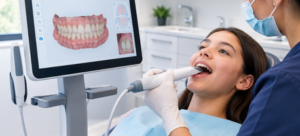
The Importance of Regular Dental Checkups

Your smile needs more than daily brushing and flossing to stay healthy. Regular dental checkups help keep your teeth and gums in good condition while allowing dental professionals to identify potential concerns before they become more serious.

Even if your teeth feel fine, some dental problems may develop without noticeable symptoms. This is why routine dental visits are an important part of maintaining long-term oral health.

Whether you are considering orthodontic treatment in St. Louis, currently wearing braces, or simply want to maintain a healthy smile, keeping up with your dental appointments matters.

Why Are Regular Dental Checkups Important?

Regular dental visits help monitor your oral health and identify changes that may need attention. They also give you an opportunity to discuss concerns and receive recommendations for maintaining healthy teeth and gums.

Here are some important benefits of routine dental visits:

1. Early Detection of Dental Problems

Cavities, gum disease, and other oral health concerns may develop before you notice any symptoms. During a checkup, a dental professional can examine your teeth and gums to identify potential issues.

Finding these concerns early may help prevent more extensive treatment later.

2. Maintaining Healthy Gums

Healthy gums are essential for supporting your teeth. Regular examinations help identify signs of gum inflammation, bleeding, or other changes that may indicate gum disease.

Your dental professional can recommend appropriate care to help maintain healthy gums.

3. Professional Teeth Cleaning

Daily brushing and flossing are essential, but plaque can accumulate in areas that are difficult to clean. Professional dental cleanings help remove plaque and hardened deposits that regular brushing may not eliminate.

Keeping your teeth clean also helps support better oral hygiene.

4. Monitoring Changes in Your Oral Health

Your teeth, gums, and bite can change over time. Regular examinations help dental professionals monitor these changes and recommend care based on your needs.

This is particularly important for children, teenagers, and adults undergoing orthodontic treatment.

What Happens During a Routine Dental Checkup?

If you have not visited a dentist in a while, you may wonder what happens during a regular appointment.

A typical dental checkup may include:

  • Examination of Teeth: Checking for cavities, damaged teeth, and other concerns.
  • Gum Evaluation: Looking for signs of gum inflammation or gum disease.
  • Professional Cleaning: Removing plaque and tartar buildup when cleaning is recommended.
  • Oral Health Assessment: Evaluating the overall condition of your mouth.
  • Dental X-Rays: Taking X-rays when necessary to examine areas that cannot be seen during a visual examination.
  • Personalized Recommendations: Discussing brushing, flossing, and other ways to maintain good oral hygiene.

Your dental professional will recommend the next appointment based on your oral health and individual needs.

How Often Should You Schedule Dental Checkups?

There is no single appointment schedule that works for everyone. Some people may benefit from dental visits every six months, while others may need more frequent examinations depending on their oral health and risk factors.

Your dentist can recommend an appropriate schedule based on factors such as:

  • History of cavities or gum disease
  • Current oral hygiene habits
  • Existing dental restorations
  • Medical conditions that may affect oral health
  • Individual risk of developing dental problems

Following your recommended schedule helps you stay informed about your oral health and address concerns when they arise.

Why Are Dental Checkups Important During Orthodontic Treatment?

Getting braces or Invisalign is an important step toward improving your smile. However, straightening your teeth is only one part of maintaining good oral health.

Dental Checkups During Orthodontic Treatment are especially important because orthodontic appliances can make cleaning your teeth more challenging.

Brackets, wires, and other appliances may create additional spaces where food particles and plaque can collect. Without proper cleaning, this buildup can increase the risk of cavities, gum inflammation, and white spots on the teeth.

Here is why continuing regular dental visits matters during orthodontic treatment:

Keep Your Teeth and Gums Healthy

Your family dentist can monitor your teeth and gums, provide professional cleanings, and identify concerns that may develop while you are wearing braces or aligners.

Reduce the Risk of Tooth Decay

Food particles can collect around braces and between teeth. Regular dental care, combined with proper brushing and flossing, helps reduce plaque buildup and supports healthy teeth.

Maintain Good Oral Hygiene

Your dentist and orthodontist can guide you on the best ways to care for your teeth throughout treatment.

Protect Your Orthodontic Results

Healthy teeth and gums provide an important foundation for orthodontic treatment. Taking care of your oral health helps support your smile throughout the process.

Remember, orthodontic appointments and regular dental checkups serve different purposes. Your orthodontist monitors tooth movement and bite alignment, while your family dentist provides routine dental examinations and cleanings. One does not replace the other.

The American Association of Orthodontists recommends continuing regular dental checkups and professional cleanings during orthodontic treatment, generally at least every six months or more often when recommended.

Learn more about orthodontic care and treatment options available at STL South Orthodontics.

Simple Ways to Maintain Good Oral Health Between Visits

Regular checkups are important, but your daily habits also play a major role in keeping your smile healthy.

Follow these simple practices:

  • Brush your teeth twice a day using fluoride toothpaste.
  • Floss daily to clean between your teeth.
  • Limit sugary snacks and drinks.
  • Drink plenty of water throughout the day.
  • Avoid smoking and tobacco products.
  • Follow your orthodontist's instructions if you wear braces or aligners.
  • Schedule dental appointments as recommended.

Consistency with these habits can help you maintain better oral hygiene between professional visits.

Keep Your Smile Healthy with Regular Dental Care

A healthy smile requires consistent attention. Regular dental checkups help you monitor your oral health, identify potential concerns early, and maintain healthy teeth and gums.

If you are undergoing orthodontic treatment, remember that your routine dental visits remain an important part of your care. Working with both your dentist and orthodontist helps ensure that your teeth stay healthy while your smile is being improved.

At STL South Orthodontics, we believe that a confident smile starts with healthy teeth. Our team is committed to helping patients understand their orthodontic needs and work toward a smile they feel proud of.

If you are considering orthodontic care, learn what to expect during your first orthodontic visit.

Ready to take the next step toward a healthier, more confident smile? Contact STL South Orthodontics to schedule a consultation.

Frequently Asked Questions

1. Why are regular dental checkups important?

Regular dental checkups help identify cavities, gum disease, and other oral health concerns. They also provide an opportunity for professional cleaning and personalized oral hygiene recommendations.

2. How often should I get a dental checkup?

The recommended frequency depends on your oral health and individual risk factors. Many people visit every six months, but your dentist may recommend a different schedule.

3. Do I need dental checkups while wearing braces?

Yes. Orthodontic appointments do not replace regular dental checkups. You should continue seeing your family dentist for examinations and professional cleanings throughout orthodontic treatment.

4. Can regular dental visits help prevent cavities?

Regular examinations can help identify early signs of tooth decay. Professional cleanings and good daily oral hygiene also help reduce plaque buildup and support cavity prevention.

5. Should I visit a dentist even if my teeth do not hurt?

Yes. Some dental problems may not cause pain or noticeable symptoms in their early stages. Routine examinations help identify concerns that may otherwise go unnoticed.