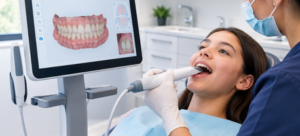
How iTero 3D Scanning Makes Orthodontic Treatment More Comfortable

Gone are the days of uncomfortable dental impressions. Modern orthodontists now use iTero 3D scanning technology—a revolutionary advancement that transforms how orthodontic impressions are taken. At STL South Orthodontics in Saint Louis, we use iTero scanner systems to provide our patients with faster, more comfortable, and more accurate impressions than ever before.

What is iTero 3D Scanning?

iTero 3D scanning is a digital technology that captures highly detailed 3D images of your teeth and gums using a handheld scanner. Unlike traditional orthodontic impressions that use messy putty trays, iTero scanner uses optical technology to create a precise digital model in minutes. This intraoral scanner eliminates discomfort entirely—no gag reflex triggers, no choking sensation, just a quick, painless scanning process.

The Comfort Advantage Over Traditional Impressions

Traditional impressions require sitting with thick putty in your mouth for several minutes. Many patients experience gagging, nausea, and general discomfort. Digital impressions with iTero are fundamentally different. The scanning process takes just 2-3 minutes, requires minimal mouth opening, and causes zero discomfort. Patients with a gag reflex particularly benefit from this technology—the small scanner tip and short procedure time make the experience stress-free.

Superior Accuracy Means Better Results

Accuracy matters in orthodontics. iTero 3D scanning delivers precision within 30 micrometers—far more accurate than traditional impressions. This superior accuracy means Invisalign aligners fit perfectly from day one, reducing the need for remakes and adjustments. Your digital impression technology ensures your treatment follows the exact plan your orthodontist creates.

Key Benefits of iTero Scanner Technology

  • No messy materials - pure digital comfort
  • Instant quality verification on screen before sending to labs
  • Perfect fit for Invisalign and other clear aligner treatments
  • Real-time 3D visualization of your teeth for better understanding
  • Faster treatment planning and fewer adjustments needed
  • Ideal for patients with sensitive gag reflexes

Why Choose STL South Orthodontics?

STL South Orthodontics invested in iTero technology because we prioritize patient comfort and treatment excellence. Our orthodontist Saint Louis team uses the latest intraoral scanner systems to ensure every patient receives the most comfortable, accurate orthodontic experience possible. Whether you need Invisalign with iTero scanning or traditional braces, our practice embraces digital innovation.

Stop dreading orthodontic appointments. Experience the future of comfortable, precise orthodontics.

Schedule your iTero scanning consultation at STL South Orthodontics today. Your comfortable smile transformation awaits.

Frequently Asked Questions

1. What is iTero 3D scanning in orthodontics?

iTero 3D scanning is a digital imaging technology that uses a handheld intraoral scanner to capture detailed 3D images of your teeth and gums. It creates an accurate digital impression without traditional putty materials, helping orthodontists plan treatments more precisely.

2. Is iTero 3D scanning more comfortable than traditional dental impressions?

Yes. iTero 3D scanning is generally more comfortable than traditional impressions because it eliminates the need for messy impression putty. The small scanner wand moves around your teeth, making the process easier, especially for patients who experience gag reflexes or discomfort with traditional impressions.

3. How long does an iTero 3D dental scan take?

An iTero 3D scan typically takes around 2–3 minutes. The process is quick and non-invasive, capturing detailed digital images of your teeth to help your orthodontist evaluate your dental structure and plan treatment.

4. How does iTero 3D scanning improve Invisalign treatment?

iTero 3D scanning creates precise digital models of your teeth, helping orthodontists plan Invisalign treatment and design aligners that fit your dental structure. It also allows patients to view a 3D representation of their teeth, making it easier to understand their treatment plan.