Bionator Orthodontic Appliance: How It Works, Benefits & Treatment Options

A healthy bite depends on more than straight teeth. The way the upper and lower jaws develop and fit together can also affect your child's smile, chewing, and overall oral function. For growing children and teens with certain bite problems, a bionator orthodontic appliance may be recommended to help guide jaw development.

A bionator is a type of functional orthodontic appliance that works with the patient's natural growth. Understanding how it works, its benefits, and available treatment options can help parents make informed decisions about their child's orthodontic care.

What is a Bionator Orthodontic Appliance?

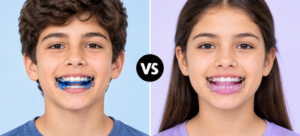
A bionator appliance is a removable functional orthodontic device designed to improve the relationship between the upper and lower jaws. It is most commonly considered for growing patients who have certain jaw-positioning and bite problems.

Unlike traditional braces, which primarily move teeth, a bionator is designed to influence the position and function of the jaws. The appliance can help encourage the lower jaw to develop in a more favorable position while the child is still growing.

Bionators are custom-designed based on each patient's bite and orthodontic needs. The orthodontist will determine whether this type of appliance is appropriate after evaluating jaw growth, tooth alignment, and the overall bite.

How Does a Bionator Appliance Work?

So, how does a bionator appliance work? The appliance is designed to position the lower jaw forward or in a more favorable relationship with the upper jaw. This can help influence the muscles and surrounding tissues as the jaws continue to develop.

By encouraging a more balanced relationship between the jaws, a bionator may help improve certain bite problems. It is particularly useful when the lower jaw is positioned too far behind the upper jaw.

Treatment results can vary from patient to patient. Age, growth stage, the severity of the bite problem, and how consistently the appliance is worn can all affect treatment progress.

Benefits of a Bionator Appliance

There are several potential bionator appliance benefits for appropriately selected growing patients, including:

  • Helps improve the relationship between the upper and lower jaws
  • May help correct certain types of overbite
  • Supports more favorable jaw development during growth
  • Can improve bite function and chewing
  • Removable design allows easier brushing and flossing
  • May help prepare the bite for additional orthodontic treatment
  • Can be incorporated into a comprehensive orthodontic treatment plan

The benefits will depend on the patient's individual orthodontic condition and growth pattern.

Bionator Appliance for Overbite

A bionator appliance for overbite may be recommended when the lower jaw is positioned behind the upper jaw, creating a pronounced overbite. This type of bite relationship is sometimes associated with a Class II orthodontic problem.

By guiding the lower jaw into a more forward position, the appliance may help improve the relationship between the upper and lower jaws while the patient is growing.

However, not every overbite can be treated with a bionator. An orthodontic evaluation is necessary to determine the cause of the overbite and whether a functional appliance is an appropriate treatment option.

Bionator Treatment Options

Bionator treatment can vary depending on the patient's age, growth stage, and bite. Common approaches may include:

Removable Bionator Treatment

A removable bionator is taken out for eating, brushing, and cleaning. Patients need to wear the appliance for the amount of time recommended by their orthodontist to achieve the best possible results.

Bionator Followed by Braces

In some cases, a bionator may be used during an early phase of orthodontic treatment to improve the jaw relationship. Braces may then be used to align the teeth and refine the bite.

Bionator as Part of Comprehensive Treatment

A bionator can also be incorporated into a broader orthodontic treatment plan. Depending on the patient's needs, treatment may involve a functional appliance followed by braces or other orthodontic appliances.

Caring for a Bionator Appliance

Proper care can help keep a bionator clean and in good condition throughout treatment. Patients should clean the appliance regularly and store it safely when it is not being worn.

It is also important to follow the orthodontist's instructions regarding wearing time. Since a bionator is removable, consistent use is an important part of successful treatment.

Regular orthodontic appointments allow the orthodontist to monitor jaw development, evaluate changes in the bite, and make adjustments when necessary.

Bionator Orthodontic Appliance in St. Louis

If your child has an overbite, a developing bite problem, or a lower jaw that appears positioned too far behind the upper jaw, a bionator orthodontic appliance in St. Louis may be one treatment option to consider.

At Saint Louis South Orthodontics, each patient's jaw growth, bite, tooth alignment, and overall orthodontic development are evaluated before treatment is recommended. If a bionator is appropriate, the orthodontic team can develop a personalized treatment plan and explain what you can expect throughout the process.

Early orthodontic evaluation can help identify developing bite problems and determine the right time and approach for treatment.

Conclusion

A bionator orthodontic appliance can be an effective treatment option for certain growing children and teens with jaw-positioning and bite problems. By helping improve the relationship between the upper and lower jaws, a bionator may support healthier bite development and prepare the smile for future orthodontic treatment when needed.

If you are concerned about your child's overbite or jaw development, schedule an orthodontic evaluation with Saint Louis South Orthodontics to learn whether bionator treatment may be right for your child.

Frequently Asked Questions

1. How long does Bionator appliance treatment take?

Bionator appliance treatment typically takes several months to a year or longer, depending on the patient's jaw development, bite concerns, and treatment goals. Regular orthodontic visits and wearing the appliance as directed can help support progress. Your orthodontist will recommend a treatment timeline based on your child's individual needs.

2. Is a Bionator appliance painful to wear?

A Bionator appliance may cause mild discomfort or pressure during the first few days as the mouth adjusts to it. Some children may also experience temporary difficulty speaking normally. These effects usually improve with time. If discomfort persists or the appliance causes irritation, consult your orthodontist.

3. Can a Bionator appliance correct an overbite?

Yes, a Bionator appliance can help improve certain types of overbite by guiding jaw development and improving the relationship between the upper and lower jaws. It is often used in growing children who have specific bite problems. The results depend on the child's age, growth stage, and orthodontic needs.

4. Can children eat and speak normally while wearing a Bionator appliance?

Children may initially find eating and speaking more challenging while adjusting to a Bionator appliance. Speech usually becomes easier with practice, and eating comfort can improve over time. Follow your orthodontist's instructions about when to wear the appliance during meals and how to clean it properly.