How Orthodontists Fix Crowded Teeth: Treatment Options for Kids, Teens & Adults

Crowded teeth are one of the most common orthodontic concerns. They occur when there is not enough space in the mouth for the teeth to fit properly, causing teeth to overlap, twist, or erupt in the wrong position. While mild crowding may mainly affect the appearance of your smile, more significant crowding can make brushing and flossing difficult and may affect your bite.

The good news is that crowded teeth treatment is available for children, teenagers, and adults. An orthodontist can evaluate the amount of crowding, jaw development, and overall bite to determine the most appropriate treatment.

What Are Crowded Teeth?

Crowding occurs when there is insufficient space for teeth to align normally within the jaws. Teeth may overlap, rotate, or become displaced as they try to find available space.

Crowding can develop for several reasons, including:

  • A mismatch between tooth size and available jaw space
  • Narrow dental arches
  • Early or late loss of baby teeth
  • Teeth erupting in an abnormal position
  • Certain jaw-growth patterns
  • Lack of sufficient space for permanent teeth

According to Saint Louis South Orthodontics, crowding results from a lack of space for teeth to fit normally within the jaws and can have several possible treatment approaches depending on the individual case.

What Causes Teeth Crowding?

Crowded teeth can have different causes, and the reason for crowding is important when planning treatment.

For children, crowding may become noticeable as permanent teeth begin to erupt. An orthodontist can evaluate whether there is enough room for the developing teeth and determine whether early intervention could help.

In some cases, a narrow upper jaw contributes to crowding. A palatal expander may be considered for growing children when creating additional space in the upper jaw is appropriate.

Other cases may require orthodontic tooth movement with braces or clear aligners. More severe crowding may require additional treatment depending on the patient's dental and skeletal development.

How Do You Know If You Have Crowded Teeth?

Some signs of crowded teeth are easy to see, while others may be identified during an orthodontic examination.

Common signs include:

  • Teeth overlapping each other
  • Twisted or rotated teeth
  • Teeth erupting outside the normal dental arch
  • Difficulty flossing between certain teeth
  • Teeth appearing too close together
  • Permanent teeth having difficulty erupting properly
  • Changes in the way the upper and lower teeth fit together

If you notice these signs in yourself or your child, an orthodontic evaluation can help determine whether treatment is necessary.

Why Should Crowded Teeth Be Treated?

Crowded teeth are not only a cosmetic concern. When teeth overlap significantly, cleaning between them can become more difficult. This may make maintaining good oral hygiene more challenging.

Crowding can also occur alongside other orthodontic problems, including bite irregularities. Correcting tooth alignment can improve the relationship between the teeth and help create a more functional bite.

Treatment is different for every patient, so an orthodontist should evaluate the severity and underlying cause of crowding before recommending a treatment plan.

How Do Orthodontists Fix Crowded Teeth?

The right treatment for crowded teeth depends on factors such as age, severity of crowding, jaw development, tooth position, and overall bite.

1. Traditional Braces

Traditional braces are one of the most established ways to correct crowded or crooked teeth. Brackets and wires apply controlled forces that gradually move teeth into better positions.

Braces treatment can treat a wide range of orthodontic problems, including crowded teeth, crooked teeth, spacing problems, and bite issues.

Saint Louis South Orthodontics notes that braces can be used for crowded or crooked teeth as well as other orthodontic concerns.

2. Clear Aligners

For appropriate candidates, clear aligners can provide a more discreet approach to straightening crowded teeth.

Clear aligners are removable trays that gradually move teeth according to a customized treatment plan. They can also make brushing and flossing easier because the aligners can be removed for oral hygiene.

However, clear aligners are not suitable for every orthodontic case. The orthodontist needs to evaluate the complexity of the crowding and bite before determining whether aligners are appropriate.

3. Palatal Expanders for Growing Children

In some children, crowding is associated with a narrow upper jaw or insufficient space for permanent teeth.

A palatal expander can gradually widen the upper jaw and create additional room. This treatment is generally more useful while the upper jaw is still developing.

Palatal expanders treatment may also be used for certain crossbite and impacted-tooth situations.

4. Early Orthodontic Treatment

For children, identifying crowding early can sometimes provide an opportunity to guide dental and jaw development.

An orthodontic evaluation can help determine whether a child needs immediate treatment, monitoring, or early intervention. Early treatment does not necessarily mean that a child will immediately need braces.

5. Creating Space for Severely Crowded Teeth

When crowding is severe, an orthodontist may need to create additional space before or during tooth alignment.

Depending on the patient's age, jaw development, and severity of crowding, options may include expansion or, in selected cases, tooth extraction.

The decision should always be based on an individual orthodontic examination rather than a one-size-fits-all approach.
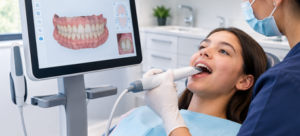

Crowded Teeth Treatment for Children vs. Adults

Treatment can be different depending on age.

Children

Children's developing jaws can provide opportunities for interceptive or early orthodontic treatment. If crowding is identified while permanent teeth are developing, an orthodontist may be able to guide growth or create space before the problem becomes more severe.

Teens

Teenagers commonly receive comprehensive orthodontic treatment once most or all permanent teeth have erupted. Braces or clear aligners may be considered depending on the patient's needs.

Adults

Adults can also receive effective treatment for crowded teeth. Braces and clear aligners may both be options, depending on the complexity of the case.

For adults looking for a discreet option, clear aligners may be particularly appealing when they are clinically appropriate.

How Long Does It Take to Fix Crowded Teeth?

Treatment time varies from person to person.

The duration depends on the severity of crowding, the type of treatment, the patient's age, tooth movement required, and how consistently treatment instructions are followed.

Some patients may require relatively straightforward alignment, while others may need a more comprehensive treatment plan involving bite correction and additional orthodontic appliances.

Your orthodontist can provide a more accurate estimate after evaluating your teeth and bite.

When Should You See an Orthodontist for Crowded Teeth?

You should consider an orthodontic evaluation if you notice:

  • Significant tooth overlap
  • Difficulty cleaning between teeth
  • Teeth erupting in unusual positions
  • A child losing baby teeth unusually early or late
  • Difficulty biting or chewing
  • A noticeable change in the way the teeth fit together

The American Association of Orthodontists recommends that children have their first orthodontic check-up by age 7. An early evaluation can help identify developing problems and determine whether treatment is needed immediately or simply needs to be monitored.

Frequently Asked Questions

1. Can crowded teeth be fixed naturally?

Crowded teeth generally do not correct themselves once permanent teeth have developed. An orthodontist can determine whether treatment is necessary and which approach is appropriate.

2. Can Invisalign fix crowded teeth?

Clear aligners can correct many cases of crowded teeth, but suitability depends on the severity of crowding and the patient's overall bite. An orthodontic evaluation is necessary to determine whether Invisalign is appropriate.

3. Is crowded teeth treatment painful?

Orthodontic treatment may cause temporary pressure or mild soreness as teeth begin moving. Discomfort varies between patients and generally improves as they adjust to treatment.

4. How long does it take to fix crowded teeth?

There is no standard treatment time for every patient. Mild crowding may require less treatment than complex crowding combined with bite problems. Your orthodontist can estimate treatment duration after an examination.

5. Do crowded teeth always require braces?

No. Depending on the case, treatment may involve clear aligners, braces, expansion, or other orthodontic approaches. The recommended treatment depends on the cause and severity of crowding.

Get an Orthodontic Evaluation for Crowded Teeth

Crowded teeth can affect more than the appearance of your smile. Early evaluation and appropriate orthodontic treatment can help improve tooth alignment, bite function, and long-term oral hygiene.

If you or your child has overlapping, crooked, or crowded teeth, schedule an orthodontic consultation to understand the available treatment options and determine which approach is right for your smile.