How Do Palate Expanders Work?

If you're exploring orthodontic options for your child or yourself, you may have come across a treatment called a palate expander. Many people have questions like what it does, why it’s needed, and how it works. At Saint Louis South Orthodontics, we want to make this simple and clear so you can make confident decisions about your smile.

Orthodontic issues like crowded teeth and bite misalignment often start with a jaw that hasn’t grown wide enough to make room for all of the permanent teeth. A palatal expander gradually widens the upper jaw so that teeth have space to align properly and the bite functions correctly.

What is a Palate Expander?

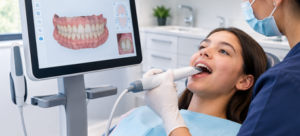
A palate expander is an orthodontic device custom-made to fit the roof of your mouth. The expander gently widens the upper jaw by applying controlled pressure over time. This treatment is especially effective because the upper jaw in children and teens is still growing, meaning the bones can be guided into a wider position without surgery.

How Does a Palate Expander Work?

The way a palate expander works is based on gradual, controlled movement of the jaw bones. Here’s how it happens:

1. Custom Placement

At your orthodontic visit, we take precise measurements and impressions of the upper teeth. The expander is then bonded or attached to the back molars so it stays firmly in place during treatment.

2. Turning the Screw

The central part of the expander contains a small screw. You (or a caregiver) use a special key to turn this screw on a schedule your orthodontist prescribes — often once each day or as directed. Each turn gently pushes the two halves of the upper jaw apart.

3. Jaw Expansion Over Time

As the expander separates the palate a tiny amount with each turn, the body responds by forming new bone in the space created. Over weeks of controlled turning, this results in a wider upper jaw. Once the desired width is reached, the expander stays in place for several more months so the new bone becomes stable and permanent.

Why Would Someone Need a Palatal Expander?

  • Crowded teeth: When there isn’t enough space for adult teeth to come in straight, expansion creates room without removing healthy teeth.
  • Crossbite correction: A narrow upper jaw can cause the upper and lower teeth to fit incorrectly when biting down. Expansion balances the arch so the bite functions better.
  • Impacted teeth: If permanent teeth are blocked from erupting, widening the jaw may allow them to come in naturally.
  • Improved smile balance: A wider arch often supports a more symmetrical, pleasing smile.

How Long Does Treatment Take?

Most patients wear a palatal expander for a total of 3–6 months. The active expansion period — when you’re turning the screw — usually lasts a few weeks. After that, the expander remains in place longer so the new bone solidifies in its widened position.

Timing varies by patient and treatment goals, but your orthodontist at Saint Louis South Orthodontics will give you a personalized timeline.

Does It Hurt?

It’s normal to feel pressure when the expander is activated — similar to the sensation you might feel when orthodontic brackets are tightened. This pressure typically fades quickly and doesn’t require pain medication for most patients.

Some patients also notice slight speech changes or awareness of the appliance at first. These usually resolve as the tongue and mouth adapt.

Can Adults Get Palatal Expansion?

Expanders are most effective during childhood and early adolescence because the palate bones haven’t fully fused yet. Adults may still benefit from expansion, but often with a different approach, such as surgically-assisted expansion - because the jaw bones are fully developed.

Your orthodontist will assess whether growth and bone structure make traditional expansion effective for you or if alternative techniques are needed.

Before and After: What to Expect

Before treatment, you might notice:

  • Teeth that look crowded
  • Crossbite or bite imbalance
  • Limited space for new teeth

After expansion:

  • The upper arch is wider
  • More room for teeth to align with braces or clear aligners
  • Improved bite function and in many cases, improved breathing and smile symmetry

These changes are gradual but lasting when supported with proper follow-up care.

Frequently Asked Questions

1. Is a palate expander covered by insurance?

In many cases, palate expanders are covered under orthodontic benefits when treatment is considered medically necessary. Coverage depends on your individual insurance plan, so it’s best to verify benefits during your orthodontic consultation.

2. Can adults get a palatal expander in St. Louis?

Yes, adults can receive palatal expansion treatment, but since the jawbone is fully developed, it may require a different technique or surgical assistance. An orthodontic evaluation determines eligibility.

3. Is a palatal expander necessary before braces or Invisalign?

In many cases, expansion is done before braces or clear aligners to create enough space for proper tooth alignment and improve bite correction.

4. How do I know if my child needs a jaw expander?

Common signs include:

- Crowded upper teeth

- Crossbite

- A narrow upper arch

- Difficulty biting properly

A professional orthodontic evaluation is the best way to determine if expansion is needed.

Consult Today for a Better Smile

Palatal expansion is a powerful orthodontic tool that creates lasting space and supports healthier alignment. At Saint Louis South Orthodontics, we tailor palatal expander treatment to your child’s growth and your smile goals.

If you’ve noticed crowding, bite issues or concerns about how teeth will fit as your child grows, a consultation can help you know whether expansion is the right choice.

Contact Saint Louis South Orthodontics today for a friendly evaluation and personalized treatment plan.