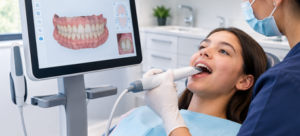
Why Do Teeth Shift After Invisalign?
After orthodontic treatment, teeth naturally try to move back toward their original positions. This process is called orthodontic relapse. Even after successful treatment with Invisalign, the tissues and bones around the teeth need time to stabilize.
Several factors can contribute to invisalign teeth shifting, including:
1. Not Wearing Retainers Properly
The most common reason for teeth shifting back after invisalign is not wearing retainers as instructed. Retainers help hold teeth in their corrected positions while the surrounding bone adjusts.
Skipping retainers for even a few weeks can lead to noticeable movement.
2. Natural Aging Changes
As people age, teeth can gradually shift due to natural jaw and bone changes. This can happen even if you never had orthodontic treatment before.
3. Teeth Grinding and Clenching
Grinding or clenching your teeth places pressure on them and may contribute to teeth move back after invisalign over time.
4. Wisdom Teeth Pressure
In some cases, erupting wisdom teeth can create crowding or pressure that affects alignment.
5. Incomplete Retention Phase
The retention phase is just as important as the active treatment phase. Without proper follow-up care, invisalign teeth shifting back can occur more easily.